

Key Takeaways
- Aging in place in assisted living means receiving support while keeping your independence.
- Care plans are personalized to fit each person’s unique needs and routine.
- Social connection, spiritual wellness, and emotional support are all part of the picture.
- Families stay informed, involved, and supported throughout the process.
- Memory care and respite care are available when needs change over time.
What Assisted Living and Aging in Place Have in Common
When most people hear “aging in place,” they picture their loved one staying in the same house they’ve lived in for decades. But the heart of aging in place isn’t really about a building. It’s about staying comfortable, supported, and as independent as possible, no matter where home happens to be.
Boulder Ponds Senior Living and communities like ours are designed to offer a continuum of care, so that you or your loved one can stay in one comfortable place while your care evolves with your needs. The goal is a place that truly fits, now and in the years ahead. Exploring the difference between assisted living and independent living can help your family figure out which path makes the most sense.
The Types of Support Assisted Living Can Offer
Personalized Daily Care
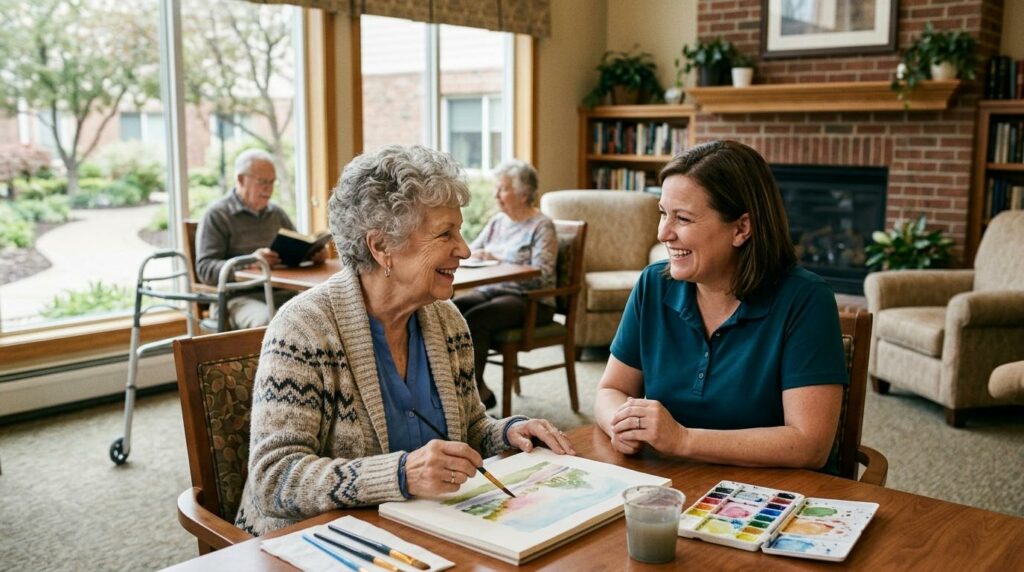
No 2 people are the same, and good assisted living care reflects that. Your loved one’s care plan is built around their specific preferences, routines, and needs, not a one-size approach. That might mean help getting dressed in the morning, reminders for medications, or simply having someone nearby when needed.
The key is that support shows up without getting in the way. Your loved one can still enjoy their morning coffee, their favorite chair, and their own sense of rhythm. Having a little help doesn’t mean giving up the things that make daily life feel like theirs. A closer look at what assisted living amenities and services include can give your family a clearer picture of what day-to-day life looks like.
Health and Wellness Programs
A whole-person approach to health looks beyond physical check-ins. It includes emotional well-being, social engagement, and a sense of purpose, all woven into everyday life. On-site health services can be brought directly to your loved one, which means fewer stressful trips out and more consistent care at home.
Programs like Lifespark COMPLETE bring together in-home primary care, life management support, and full coordination of services. This kind of connected care helps avoid the cycle where someone is hospitalized, recovers, and then ends up back in the hospital again. It’s a steadier, more supportive path forward.
How Social Connection Supports a Fuller Life
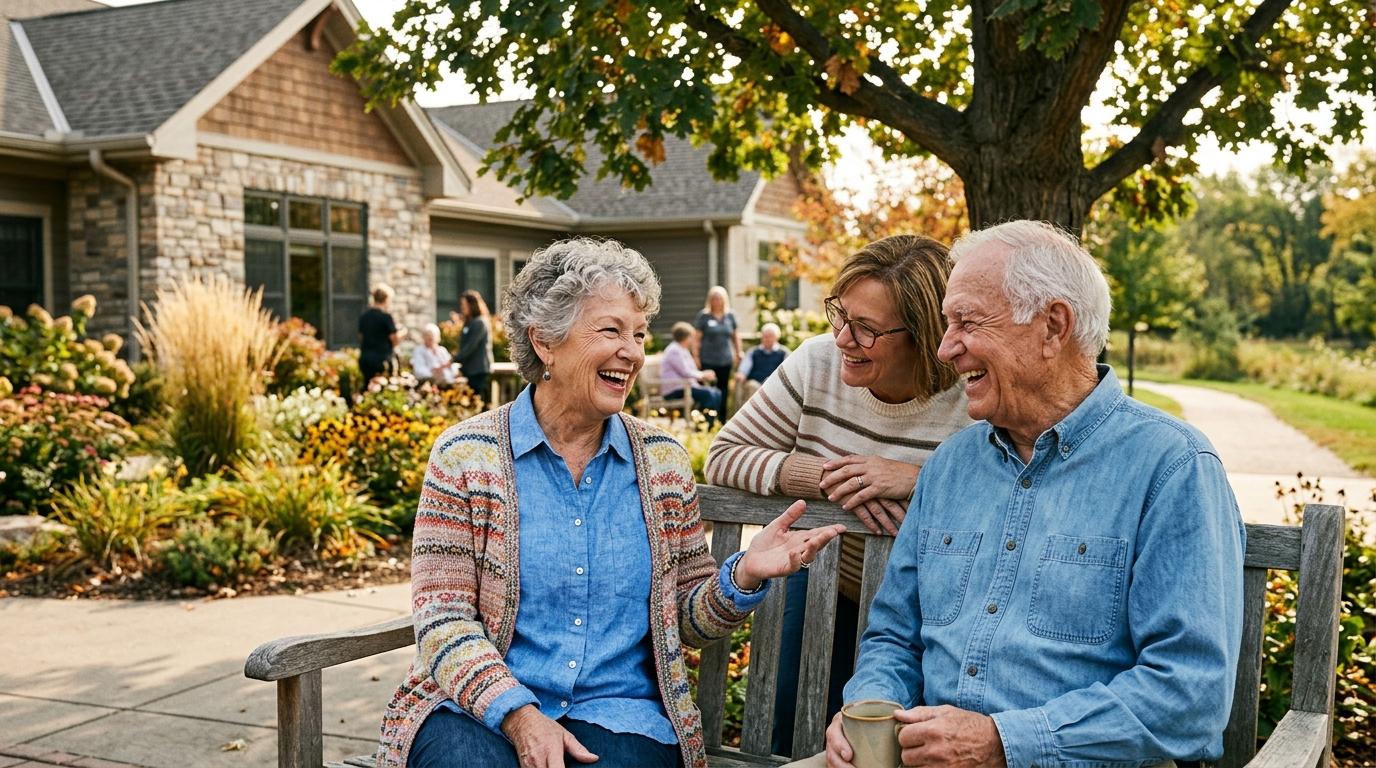
Loneliness can quietly chip away at health and happiness, especially when someone moves away from a familiar neighborhood or long-time routine. Assisted living communities are built around connection, with planned activities, shared spaces, and regular programs that make it easy to meet people and feel like part of something. Staying socially connected plays a meaningful role in supporting both physical and emotional health as people age.
Spiritual and emotional well-being matter just as much. Chaplains offer one-on-one visits, group programs, and coordination with local spiritual leaders so residents can stay connected to what brings them meaning. Whether your loved one finds comfort in faith, community, or creative expression, there’s room for that here.
Shared spaces are also designed to feel welcoming rather than institutional. Common areas invite residents to gather naturally, whether that’s over a meal, a game, or just a conversation. Those small daily moments are often what make a place truly feel like home.
What Families Can Expect from an Assisted Living Community
Peace of Mind for Loved Ones
Watching someone you love need more help than you can give on your own is hard. Assisted living communities keep families in the loop, not just during big decisions, but throughout day-to-day care. You stay involved, informed, and heard every step of the way.
Support doesn’t stop with the resident, either. Family members often carry a heavy emotional load, and a good care team recognizes that. Having a knowledgeable team to turn to can make the whole experience feel a lot less overwhelming for everyone. Our family resources page is a helpful place to start gathering information and support.
A Team That Truly Knows Your Loved One
There’s a real difference between a team that rotates through and one that actually gets to know your loved one by name, by story, and by personality. Consistent, relationship-based care means your loved one isn’t explaining their preferences to a new face every week. That familiarity matters more than most people realize.
It also leads to better outcomes. When caregivers notice small changes early, like a shift in appetite or energy, they can respond before things escalate. That kind of attentive, continuous care is what keeps people out of the health care revolving door.
How to Know When Assisted Living Is the Right Step
Sometimes the signs are gradual. Maybe your loved one is struggling to keep up with meals, medications, or daily hygiene. Maybe you’ve found yourself worrying more, sleeping less, and wondering if home support is still enough. Those feelings are worth paying attention to, and learning the signs that it may be time for assisted living can bring some clarity when the path forward feels uncertain.
A tour can help your whole family get a real feel for what senior living looks like today. It’s a chance to ask questions, meet the team, and picture your loved one thriving in a community that’s built around them. Whatever the need, there’s a path forward that feels right. Contact us to book a tour and learn more in person.