

Key Takeaways
- Stay calm after a fall and check for injuries before helping your parent move.
- Call emergency services if there’s pain, confusion, or a head injury.
- Document the fall details and contact your parent’s doctor within 24 hours.
- Identify and fix safety risks such as poor lighting, loose rugs, or clutter.
- Review medications and overall health to address potential causes.
- Consider assisted living if falls happen repeatedly or safety becomes a concern.
Immediate Steps After Your Parent Falls
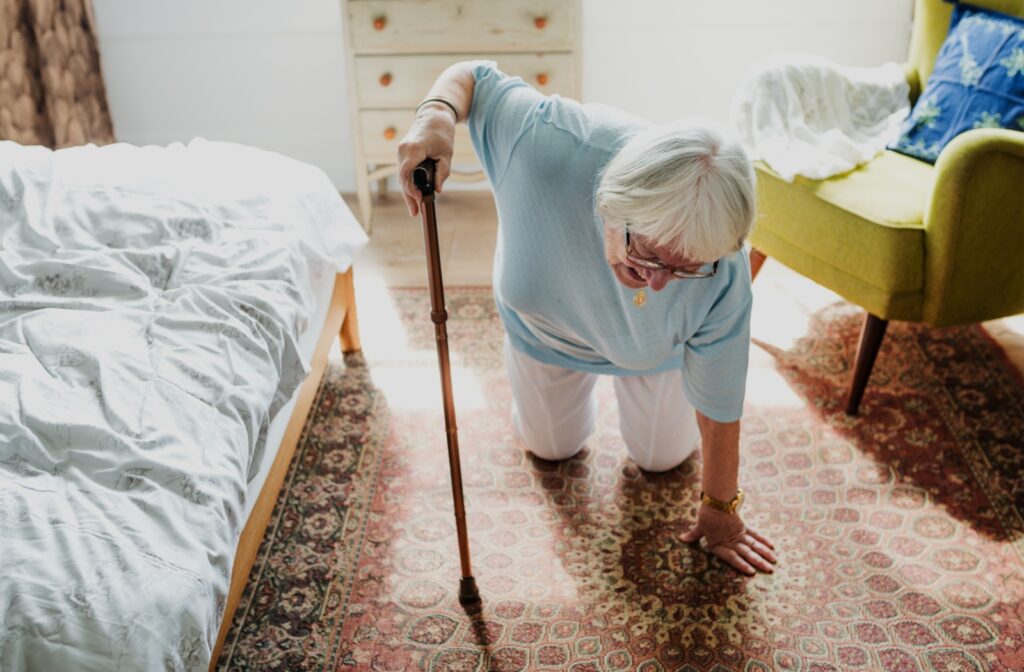
A fall can be frightening—for both your parent and you. It’s one of the most common reasons older adults end up in the hospital, and often, it’s a sign that more support may be needed. Whether this is the first incident or part of a concerning pattern, knowing what to do in the moment—and after—can help protect your parent’s health and future independence.
After a fall, immediately check for injuries. Help your loved one up, and if needed, reach out for emergency support. Check their surroundings and look for other fall risks in their home, and make any adjustments as needed to keep them safe.
However, the situation doesn’t end when your loved one is upright. Falls can pose a serious risk to their health, so your family should think about your loved one’s future needs. Assisted living offers a way to restore your loved one’s safety every day, which can provide valuable peace of mind to your family.
What to Do After the Fall
First, document what happened. Write down key details: when and where the fall happened, what they were doing beforehand, and whether they lost consciousness or had trouble standing up. This information can be helpful for healthcare providers.
Then, contact their doctor if needed. Even if there are no obvious injuries, a medical check-in is essential. Falls can signal changes in strength, balance, or medication tolerance, and that’s valuable information for their healthcare team.
Understand Why the Fall Happened
Learning why the fall happened is the next step towards preventing this in the future.
Check Their Surroundings
Take a moment and examine their living environment. Some commonly overlooked risks include:
- Loose rugs
- Dim lighting
- Slippery floors
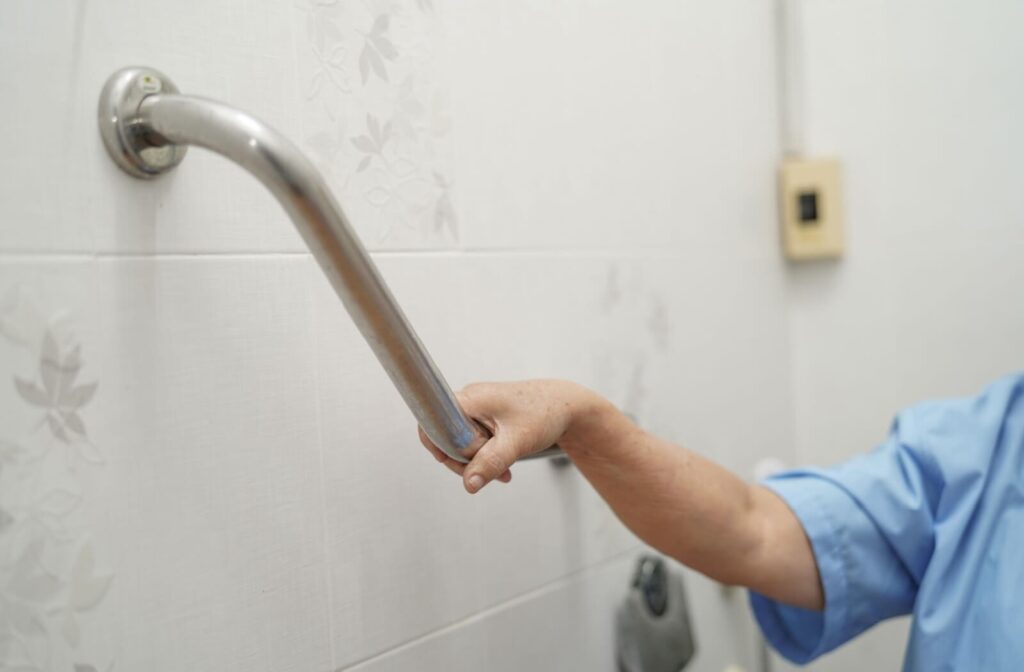
- Lack of handrails or grab bars
- Cluttered walkways
These all put your loved one at a higher risk of falls.
Think About Their Health
Falls are often a result of an underlying condition. They tend to develop due to:
- Medication side effects (dizziness or drowsiness)
- Blood pressure changes
- Muscle weakness or balance issues
- Cognitive decline or confusion
If your loved one has had more than one fall, it’s time for a comprehensive examination. A doctor can help your family determine what to do next—and whether or not your loved one would benefit from a move to assisted living.
How to Lower a Senior’s Fall Risk
Once you know why your loved one fell, you can proactively work to prevent this problem. It helps to start with their environment, then make health-related decisions.
Make Their Home Safer
Simple updates can help reduce the risk of another fall. It helps to:
- Remove loose rugs and clear walkways
- Install grab bars in bathrooms
- Add handrails to both sides of stairways
- Improve lighting in high-traffic areas
These steps make their home safer, which offers valuable peace of mind.
Make Small Health-Related Changes
It also helps to speak with your loved one’s doctor to learn how to keep them safe. They may recommend things such as:
- Reviewing medications for side effects
- Scheduling a vision and hearing check
- Gentle exercise or physical therapy for balance
- Fall prevention programs for older adults
These steps can make a significant difference in your loved one’s daily life.
How Assisted Living Helps Prevent Falls
Assisted living communities are thoughtfully designed to reduce fall risks from the ground up. From wide hallways and non-slip floors to well-placed handrails and 24/7 staff availability, we’ve worked hard to think of every detail to keep your loved one safe every day.
Our caregiving team is trained in fall prevention and responds quickly when support is needed. And because health is about more than just environment, our wellness programs also help residents maintain balance, strength, and confidence. Whether your parent needs some temporary support or more long-term care, we’re ready to help.
How to Tell if It’s Time for Assisted Living
It’s not always easy to know when your parent needs more help. Many older adults want to stay independent as long as possible, but repeated falls or safety concerns can signal it’s time for a change. Some common signs it’s time for assisted living include:
- Your parent has had more than one fall in the past year
- They forget to take medications or take them incorrectly
- Meals are skipped, spoiled, or missing entirely
- You notice poor hygiene or wearing the same clothes for days
- Household chores are going undone or piling up
- They seem isolated, withdrawn, or anxious when alone
- You feel increasingly worried about their safety day-to-day
These signs don’t mean your parent has to give up independence, but they may benefit from having support close by. Assisted living can offer the right balance of safety, routine, and autonomy.
Find Peace of Mind After a Fall
A fall doesn’t have to be the beginning of a decline. It can be a turning point toward better support and safer living. At Boulder Ponds Senior Living, we’re here to help your family navigate this moment with care, dignity, and personalized guidance.
In our community, your loved one will be protected and supported every day. Preventing falls requires attention to the environment and your loved one’s needs, and we know how to help. Schedule a tour with us today—a safer, more comfortable life is waiting for your parent here!